



Crypto Wallet Security Tips for Vietnamese Users: Protect Your Digital Assets
With the rise of cryptocurrencies and their integration into daily transactions, security has never been more critical. In fact, it is estimated that globally, around $4.1 billion was lost due to hacks in decentralized finance (DeFi) protocols in 2024 alone. This alarming figure highlights the importance of robust security measures, especially for the growing Vietnamese crypto market, which has seen an increase of 25% in active users since 2022. But how can you protect your digital assets? Let’s delve into some practical security tips for crypto wallets that specifically address the needs of Vietnamese users.
1. Choose the Right Type of Wallet
Understanding the different types of wallets is essential for security. There are mainly two categories: hot wallets (online) and cold wallets (offline).
Here’s a quick breakdown:
- Hot Wallets: User-friendly and suitable for daily transactions but susceptible to hacks. Examples include mobile wallets and web wallets.
- Cold Wallets: Highly secure and ideal for storing large amounts of cryptocurrency long-term. These include hardware wallets like Ledger Nano X and paper wallets.
For Vietnamese users primarily engaging in trading and smaller transactions, a hot wallet may suffice. However, for those holding significant amounts, cold wallets are advisable to minimize risks. “Tiêu chuẩn an ninh blockchain” especially emphasizes the need for cold storage options due to enhanced security features.
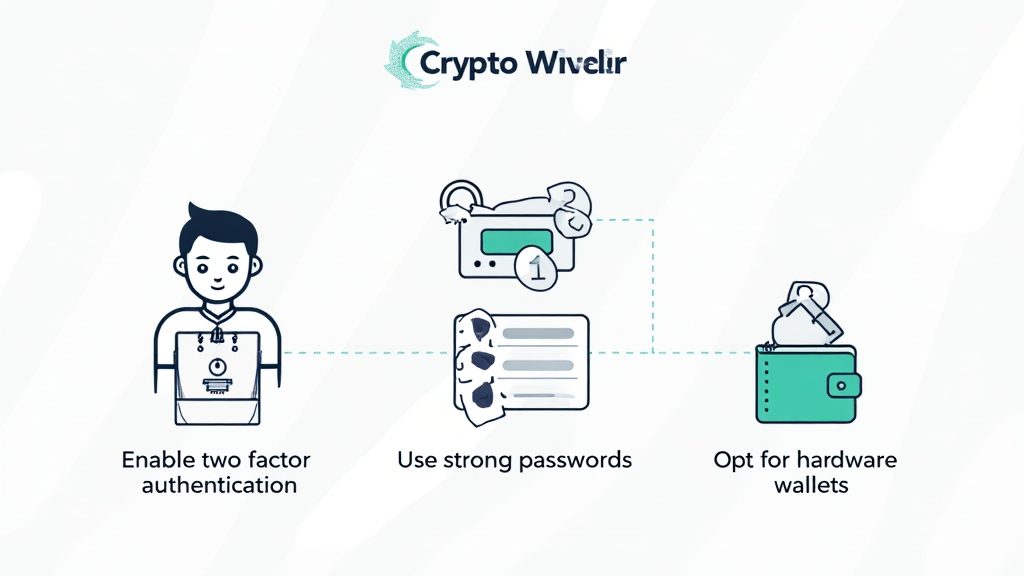
2. Enable Two-Factor Authentication (2FA)
Utilizing Two-Factor Authentication is a must. This adds an additional layer of security that significantly reduces the chances of unauthorized access. When you log into your wallet, you will need to provide not only your password but also a unique code sent to your mobile device or generated by an authentication app. “Ví dụ” of popular authentication apps include Google Authenticator and Authy — both of which are highly recommended for Vietnamese crypto traders.
3. Keep Your Software Updated
Whether you’re using a mobile app, web wallet, or any software related to your wallet, ensuring that it is up-to-date is crucial. Software updates often patch known vulnerabilities that could be exploited by hackers. Check for updates regularly, and enable automatic updates whenever possible, to maintain your wallet’s security.
4. Be Wary of Phishing Attempts
In the age of digital communication, phishing attacks have become deceivingly sophisticated. Vietnamese users should be particularly cautious about unsolicited emails, messages, or social media posts requesting sensitive information. Always verify the source before clicking on links or providing personal information. Some red flags to look out for include:
- Email addresses that don’t match the official website.
- Unfamiliar URLs that redirect you to a look-alike site.
- Urgent messages that push you to act quickly without verifying the content.
Familiarizing yourself with common phishing tactics can greatly enhance your defensive strategies.
5. Secure Your Private Keys
Your private keys are the most critical part of your crypto wallet security. Losing them could result in permanent loss of your digital assets. Here are a few tips to handle private keys securely:
- Use Encrypted Backup: Store them on a device that is encrypted and secure.
- Avoid Cloud Storage: Do not store private keys on cloud services as they can be hacked.
- Use Hardware Wallets: As mentioned before, hardware wallets can store private keys offline securely.
Protect your private keys as if they were your cash — make every effort to keep them confidential and safe.
6. Regularly Monitor Your Wallet Transactions
Keep an eye on the transactions in your wallet. Regular monitoring can alert you to any unauthorized activities early. Set aside some time each week to check your transaction history and make sure everything aligns with your activities. If you notice anything suspicious, take immediate action, like changing your passwords and contacting your wallet provider.
7. Use Strong Passwords
Creating strong passwords is often overlooked but fundamentally crucial. A strong password combines letters, numbers, and special characters and should be at least 12 characters long. Avoid using easily guessed information such as names, birthdays, or common words. A password manager can also be a useful tool to help you create and store complex passwords securely.
8. Follow Local Regulations
Staying informed about local regulations regarding cryptocurrencies in Vietnam is essential for compliance and protection. The legal landscape is continually evolving, and following the guidelines can help you minimize risks associated with your crypto activities. Make sure you regularly check resources or local experts that cover updates on cryptocurrency law.
Conclusion
As Vietnam continues to embrace the world of cryptocurrency, implementing these crypto wallet security tips is vital to safeguarding your investments and personal data. Remember, the landscape is always evolving, and being proactive about security can save you from potential losses. We recommend all users to continuously educate themselves on security best practices, from enabling two-factor authentication to using cold wallets. With the right knowledge and tools, you can navigate the exciting world of cryptocurrencies safely and responsibly. The future of digital assets is in your hands, so take the necessary steps to stay secure.
To know more about Athenecoin and stay updated on the latest in crypto, visit us at athenecoin.com.
Author: Dr. Nguyen Thanh Hai — a well-respected blockchain security expert, having published over 30 papers in the field and led several renowned project audits in Asia.


