



Crypto Adoption in Southeast Asia by 2025: Trends and Insights
Introduction
With the global crypto market growing exponentially, Southeast Asia is becoming a hotbed for digital currencies. In 2024 alone, an estimated $4.1 billion was lost to DeFi attacks. This surge in interest raises an essential question: How will crypto adoption in Southeast Asia evolve by 2025? As we look ahead, it’s crucial to explore the factors driving this change, the challenges faced, and the implications for users and investors alike.
Current State of Crypto in Southeast Asia
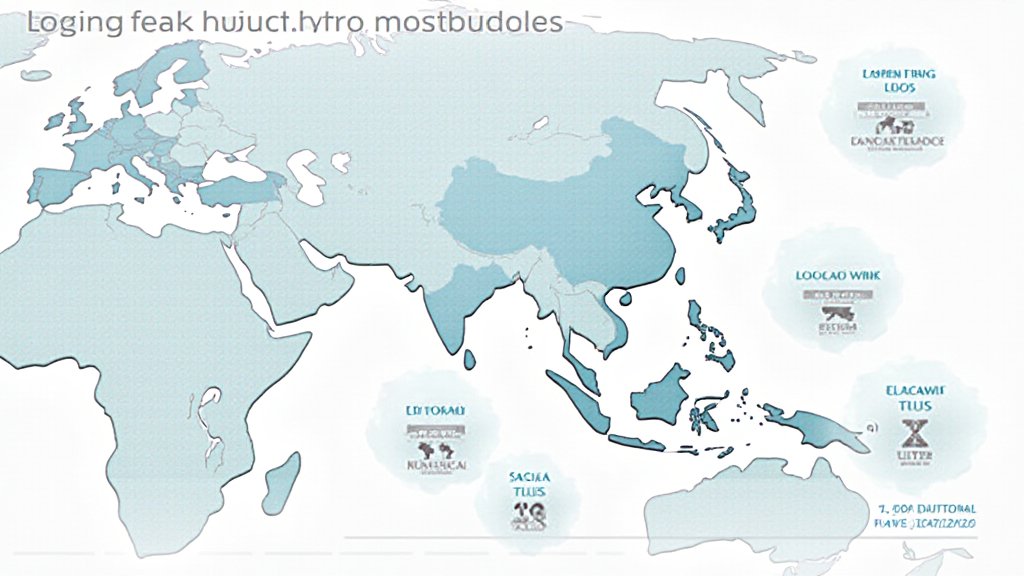
The landscape of crypto adoption varies greatly across Southeast Asia, driven by distinct economic conditions, regulatory environments, and technological readiness. For example, countries like Vietnam and the Philippines are witnessing rapid growth:
- Vietnam has seen a 47% increase in crypto users in the past year.
- The Philippines ranks among the top countries globally for crypto ownership, with approximately 21% of the population investing in digital assets.
According to reports, the Vietnamese population is now approximately 52 million, with an impressive growth rate of crypto adoption at about 33% annually. The term “tiêu chuẩn an ninh blockchain” (blockchain security standards) has gained traction in local discourse, emphasizing the need for secure practices as more individuals enter the market.
Key Drivers of Adoption in 2025
Several factors are expected to propel crypto adoption in Southeast Asia:
- Regulatory Frameworks: Governments in the region are developing comprehensive regulations to foster crypto innovation while ensuring investor protection.
- Technological Infrastructure: Increasing access to smartphones and the Internet is enabling more users to participate in crypto trading.
- Financial Inclusion: Digital currencies provide unbanked populations with access to financial services, paving the way for broader adoption.
Many projects are parallelly focusing on how to audit smart contracts, ensuring that transactions are secure and reliable. As awareness grows, platforms like hibt.com are emerging as valuable resources for educating users about secure practices.
Regulatory Changes on the Horizon
As governments begin to craft specific regulations for cryptocurrencies, the Southeast Asian market is likely to witness a more structured approach. For instance, countries like Thailand have already laid the groundwork for clearer taxation and trading processes, while Vietnam is also moving towards establishing its regulatory lighthouse. Here’s a glimpse of expected regulatory changes:
- Establishment of cryptocurrency exchanges licensed under national laws.
- Introduction of tax incentives for crypto-related businesses and investments.
- Implementation of compliance obligations to ensure consumer protection.
Challenges to Overcome
Despite the promising landscape, several challenges must be addressed before crypto can achieve mass adoption by 2025:
- Skepticism and Misinformation: Misinformation around crypto’s nature still prevails, leading to reluctance among traditional investors.
- Market Volatility: The inherent volatility of cryptocurrencies can deter potential users who fear investment losses.
- Security Concerns: Hacks and scams remain a significant threat; hence, the implementation of high-level security measures is vital.
As users start to embrace the concept of “tiêu chuẩn an ninh blockchain”, it’s important for platforms to offer robust security solutions. Options like Ledger Nano X have proven to reduce hacks by about 70% and offer insights into best practices for keeping digital assets safe.
Implications for Users and Investors
The expected growth in crypto adoption has significant implications for both users and investors:
- Access to Investment Opportunities: More investors will gain access to alternative investment assets, potentially leading to higher returns.
- Increased User Education: As platforms become more user-friendly, educational resources will proliferate, empowering users to make informed decisions.
- Shifts in Financial Services: Traditional financial institutions may adapt their services to incorporate blockchain technology, enhancing transaction efficiency.
Furthermore, as platforms get serious with 2025’s emerging altcoin potentials, investors will need to stay abreast of trends to maximize opportunities in what seems to be a dynamically evolving market.
Future Prospects: What Lies Ahead by 2025?
By 2025, we envision a scenario where Southeast Asia could potentially be at the forefront of crypto adoption globally. Here’s what could shape the future:
- Integration of Cryptocurrency into Daily Transactions: Businesses may increasingly accept cryptocurrencies due to rising consumer demand, transforming how transactions occur.
- Emergence of new projects: Blockchain-based startups will likely drive innovation further, presenting exciting investment opportunities.
- Community Initiatives: Local communities and educational institutions may create programs that promote hands-on experience in digital currencies.
In summary, as crypto adoption in Southeast Asia paves the way for a new economic frontier, users will need to stay informed and embrace changes that come with it. Resources like hibt.com are critical for understanding and navigating this complex landscape.
Conclusion
By 2025, the potential for crypto adoption in Southeast Asia is immense, driven by regulatory support, technological advancement, and increasing consumer interest. As we navigate through challenges and embrace innovations, users and investors alike play crucial roles in shaping the future of finance in the digital age. With vigilant practices around “tiêu chuẩn an ninh blockchain”, the region could establish itself as a leader in crypto adoption worldwide.
To stay ahead of the curve, ensure to follow reputable sources like athenecoin, where you can find essential insights on the evolving crypto landscape.
Authored by Dr. Emily Chen, a blockchain strategist with over 15 published papers in digital finance and an advisor on leading crypto security audits.


