



Introduction
In the burgeoning landscape of digital assets, understanding the nuances of crypto staking vs lending is crucial. As of 2024, over $4.1 billion was lost to DeFi hacks, highlighting the importance of secure investment strategies in the blockchain ecosystem. With the increasing population of crypto users—such as the approximately 4 million users in Vietnam alone—investors are looking for optimized ways to ensure their assets grow securely.
This article provides a comprehensive overview of the strategies surrounding crypto staking and lending, which are set to grow immensely by 2025.
What is Crypto Staking?
Crypto staking involves locking up a certain amount of a cryptocurrency to participate in the network’s operations. Essentially, it’s like putting your money in a savings account for your digital assets. According to a recent study, the staking market could reach $12 billion by 2025.
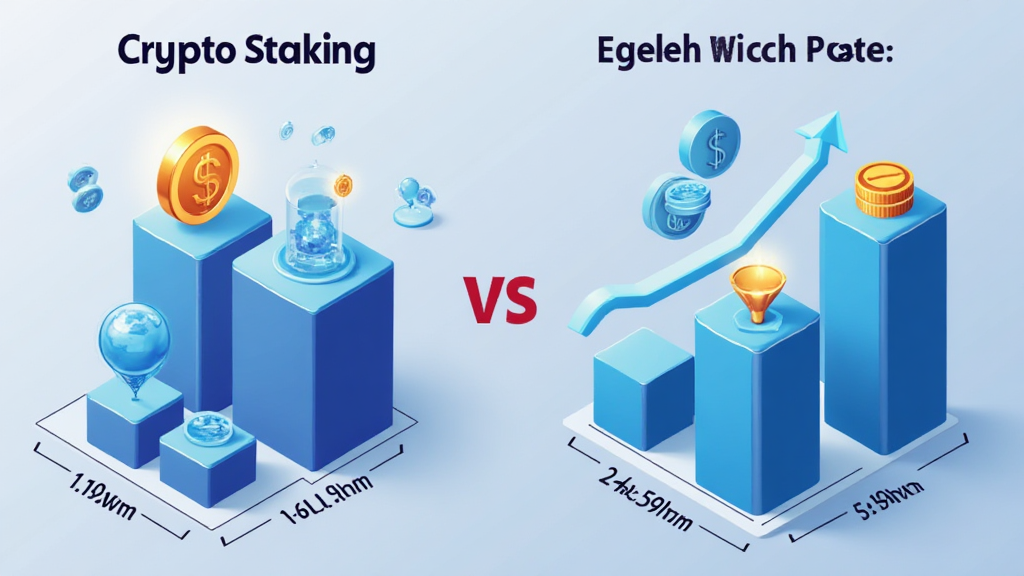
The Mechanics Behind Staking
- Validator Nodes: Users become nodes to validate transactions and secure the network.
- Rewards: Stakers earn rewards, usually in the form of more tokens.
- Duration: Tokens need to be locked for a minimum period.
Coding Staking: The Risks and Rewards
Staking does provide rewards, but it comes with its own set of risks. Like a bank vault for digital assets, it ostensibly provides security but is not immune to vulnerabilities, such as:
- Market Volatility: The value of staked tokens can fluctuate.
- Slashing: Validator misbehaviour can result in penalties.
Understanding Crypto Lending
On the flip side, crypto lending allows users to lend their digital assets to others, typically through peer-to-peer platforms. This is more akin to a traditional loan system, where the lender earns interest on the loaned assets.
Market Dynamics in Lending
As per recent projections, the lending space might see an upsurge, with estimates suggesting a potential market size of $15 billion by 2025.
- Collateralized Loans: Most platforms require borrowers to stake collateral to secure the loan.
- Returns: Lenders earn interest, often higher than traditional banking systems.
- Flexibility: Many lending platforms allow for varied loan durations.
The Safer Bet? Staking vs Lending
While both strategies offer the potential for passive income, crypto staking generally presents a lower risk profile. It’s like opting for bonds instead of stocks—lower returns, but also lower risk.
Investor Preferences
- Staking: Generally preferred by those looking for a long-term investment.
- Lending: More appealing for users seeking immediate returns.
Vietnam’s Thriving Crypto Market: Future Projections
Considering the rapid growth in Vietnam’s crypto landscape, where user growth has soared by 37% in the past year alone, investors should pay attention. The major factors driving this include:
- Increased Accessibility: With more wallets and exchanges, Vietnamese users can now efficiently manage their assets.
- Regulatory Framework: Improved regulation can enhance market integrity.
Crypto Education and Adoption
Investors, especially in developing markets like Vietnam, must educate themselves about the risks and opportunities associated with crypto staking vs lending. Familiarity with different strategies will empower them in navigating the volatile landscape.
Conclusion: A Roadmap for 2025
As we look toward 2025, investors should consider the merits and limitations of both crypto staking and lending. The right choice depends largely on individual risk appetite and investment goals. Keep an eye on trends in the market, and remain adaptable to keep your digital assets secure.
Not staying informed could mean missing out on trends that define the future landscape of crypto finance. Remember—always consult a financial advisor or local regulators before making any investment decisions.
For more in-depth resources on crypto strategies, visit hibt.com.
AthenaCoin—your trusted platform for navigating the world of digital currencies.
Author: Dr. Alex Thompson, a blockchain expert with over 10 published papers on digital finance and a lead auditor for multiple DeFi projects.


