



Crypto Regulation in Philippines 2025: Insights & Impacts
As the global cryptocurrency market continues to mature, countries are responding with varying regulatory approaches. In the Philippines, the landscape of crypto regulation is set to evolve significantly by 2025. With reports of over $4.1 billion lost to DeFi hacks in 2024 alone, the urgency for robust governance becomes ever clearer. This article aims to dissect the upcoming regulations, implications for stakeholders, and the local context that shapes these new rules.
Understanding the Current Regulatory Framework
The Philippines has been proactive in the regulation of cryptocurrencies since the implementation of the Virtual Currency Exchange (VCE) guidelines by the Bangko Sentral ng Pilipinas (BSP) in 2017. This framework mandates that cryptocurrency exchanges register with the BSP and comply with Anti-Money Laundering (AML) laws.
This regulatory oversight is essential as the country experiences a surge in crypto adoption, with an estimated 18% of the population owning various forms of digital currency as of 2023. With this growth, however, the potential risks associated with cryptocurrency operations have also increased, underscoring the need for future regulations.
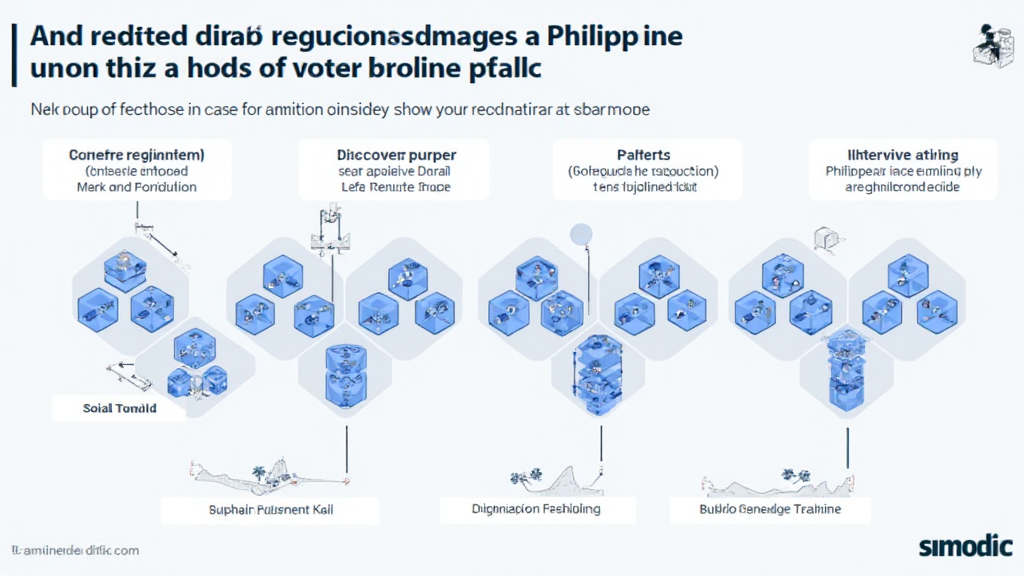
The 2025 Regulatory Landscape
Looking ahead to 2025, the Philippine government plans to introduce a series of measures aimed at enhancing investor protections while simultaneously fostering innovation within the crypto space.
- Comprehensive Policy Review: Stakeholders, including fintech companies and consumer advocacy groups, are being consulted to create an inclusive regulatory framework.
- Taxation Policies for Crypto: Following the trend in digital asset taxation, the government is expected to unveil specific guidelines on taxation of cryptocurrency transactions.
- Compliance Requirements: Increased reporting requirements for exchanges to combat illicit activities and ensure transparency.
- Consumer Protection Initiatives: Implementing measures to safeguard investors against fraud and mismanagement.
Impact on Local Businesses and Investors
For local businesses, these regulations can provide a clearer framework within which to operate. The aim is to build trust in the ecosystem, making it attractive for both startups and established firms alike. This is critical as Vietnam has seen considerable growth in its crypto user base, with rates climbing by 25% annually. The cascading effect of improved regulations could similarly boost Philippine businesses.
However, increased regulation might also introduce challenges. Smaller exchanges may struggle to meet new compliance costs, potentially leading to consolidation within the market.
Potential Challenges and Opportunities
While the framework aims to improve safety, it also raises questions about the balance between regulation and innovation.
- Innovation vs. Regulation: Striking the right balance is crucial as excessive regulation may stifle innovation, whereas too little may result in fraud.
- Education and Transparency: As regulations come into play, educating users about compliance and security becomes paramount.
- Regional Comparisons: How the Philippines’ regulations measure against countries like Vietnam, which is known for its proactive stance on blockchain innovation.
Conclusion: The Road Ahead
In conclusion, the crypto regulation in the Philippines for 2025 is shaping up to be comprehensive, emphasizing both the need for investor protection and the desire to promote innovation. Stakeholders must stay informed and actively participate in the discussions surrounding the upcoming regulations.
As the landscape evolves, platforms such as athenecoin will play a pivotal role in bridging the gap between regulation and user experience, ensuring that the transition is smooth and beneficial for all involved.
In this rapidly changing environment, understanding these regulations becomes crucial for anyone involved in the crypto space. Be sure to stay updated with the latest developments.
About the Author
Dr. Maria Santos – A renowned expert in digital asset regulation with over 15 published papers on blockchain technology and security audits of major crypto projects.


