



Introduction
With over $4.1 billion lost to DeFi hacks in 2024 alone, the security of digital assets has never been more critical. For cryptocurrency platforms like Athenecoin, ensuring safe and compliant user interactions is paramount, particularly through processes such as KYC verification. In this comprehensive guide, we will break down the HiBT KYC verification process, its significance, and how it can protect both users and platforms from fraud.
What is KYC Verification?
KYC, or Know Your Customer, is a process used by financial institutions to verify the identities of their clients. This is essential for preventing fraud and ensuring compliance with regulations. According to 2025 industry data, over 70% of crypto users prefer platforms that implement strict KYC measures.
The Importance of KYC in Cryptocurrency
ong>Fraud Prevention: ong> KYC helps identify potential fraudsters.ong>Regulatory Compliance: ong> Many jurisdictions mandate KYC compliance for financial security.ong>User Safety: ong> It protects genuine users and builds trust.
Understanding the HiBT KYC Verification Process
The HiBT platform offers a streamlined KYC verification process to improve user experience while adhering to security standards. Here’s a step-by-step breakdown:
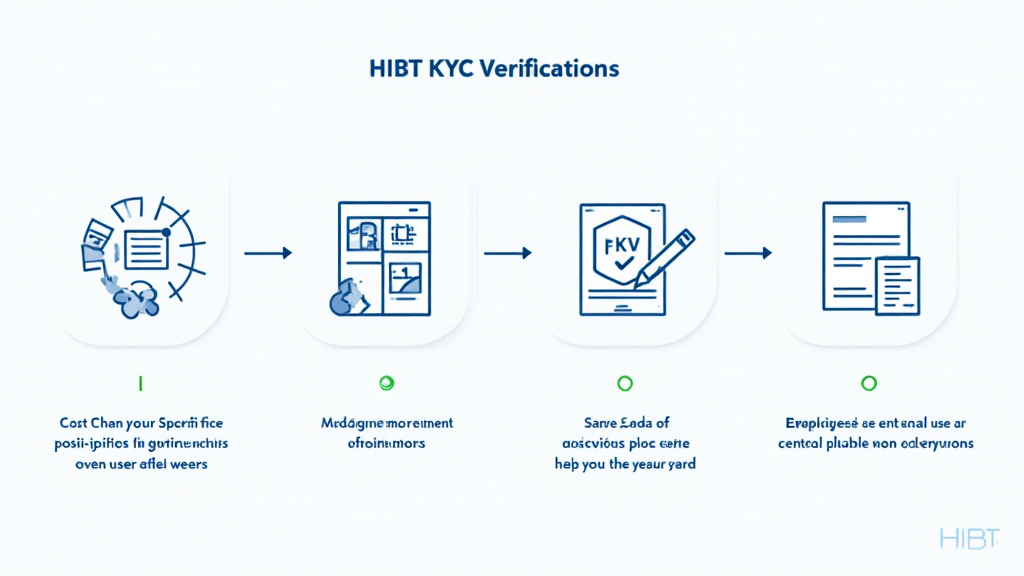
Step 1: User Registration
Users begin the process by creating an account on the HiBT platform. During registration, they must provide basic personal information, including their name, email address, and phone number.
Step 2: Document Submission
Once registered, users will need to submit identification documents. This may include:
- Government-issued ID (passport, driver’s license)
- Proof of address (utility bill, bank statement)
Each document must be clearly visible and legible to ensure swift verification.
Step 3: Verification Process
After document submission, the HiBT team will review the information. This process typically takes 24-48 hours, depending on the volume of applications. Users will be notified via email about the status of their verification.
Step 4: Approval and Account Activation
Once verified, users will receive confirmation and can fully access the platform’s features. Unverified accounts may have limited access to functionalities.
Challenges and Solutions in KYC Verification
Implementing KYC verification can come with challenges. However, HiBT has strategies to mitigate these obstacles:
Potential Challenges
- High volume of applications causing delays.
- Document validity issues.
- User resistance to sharing personal information.
Solutions Implemented by HiBT
- Investing in advanced verification technology to speed up processes.
- Providing clear guidelines for acceptable documents.
- Ensuring user education about privacy and security.
Latest Trends in KYC Verification
As the landscape of cryptocurrency and blockchain technology evolves, so does the KYC verification process. Here are some of the latest trends:
Adoptive Technology
Emerging technologies such as AI and machine learning are being integrated into KYC checks to improve efficiency and accuracy.
Privacy-Centric Approaches
Increasing focus on user privacy has led to the rise of decentralized KYC, enabling secure verification without compromising data.
The Role of KYC in Vietnam’s Crypto Market
In Vietnam, the cryptocurrency market has seen a rapid growth rate of over 35% in users in the past year. As platforms like HiBT expand into this market, KYC becomes even more critical:
Local Regulations
The Vietnamese government has ramped up regulations around cryptocurrency, emphasizing the need for strict KYC practices. Platforms must comply with the legal framework to avoid penalties.
Building User Trust
By implementing robust KYC measures, HiBT can foster user trust, ultimately attracting more customers in a competitive market.
Conclusion
In a rapidly evolving crypto landscape, understanding KYC verification is crucial for both users and platforms. HiBT’s comprehensive KYC process enhances security and builds trust within the community. As the industry grows, prioritizing verification processes will be key to fostering a safe trading environment. For more information on KYC verification and its impact, visit hibt.com. Investing in security today means protecting your assets tomorrow.


