



Introduction
As global interest in cryptocurrencies continues to surge, with recent reports estimating that over 4.1 billion USD was lost to DeFi hacks in 2024 alone, the need for comprehensive regulation has never been more essential. Countries around the world, including Vietnam, are gradually defining their positions on cryptocurrency, with significant implications for the market. By 2025, Vietnam’s government is expected to take substantial steps in establishing regulatory frameworks for cryptocurrencies. This article will delve into the key components of the government’s stance on crypto and what investors can anticipate in the coming years.
Current Landscape of Cryptocurrency in Vietnam
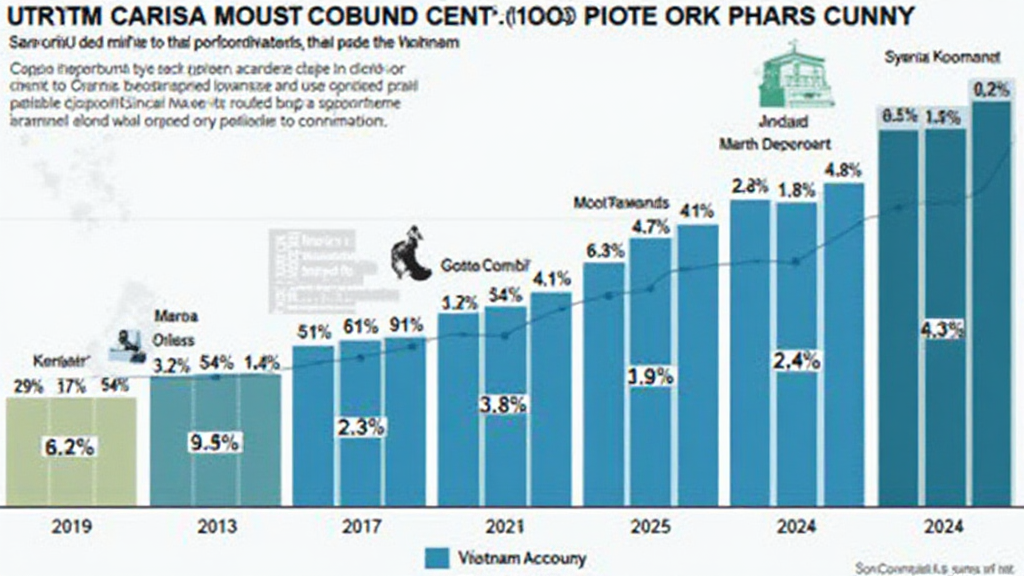
The Vietnamese cryptocurrency market has seen explosive growth over recent years. According to Statista, the number of active cryptocurrency users in Vietnam has increased by 300% from 2019 to 2023. Specifically, more than 12 million people are currently engaged in cryptocurrency trading as of 2023. This rise is attributed to various factors, including the accessibility of cryptocurrency exchanges and the growing interest in blockchain technology.
Government’s Initial Reaction to Cryptocurrencies
Initially, the government of Vietnam adopted a cautious and somewhat restrictive approach to cryptocurrencies. In 2018, the State Bank of Vietnam (SBV) explicitly prohibited the use of cryptocurrencies for payment. However, the government acknowledged the need to develop a regulatory framework that addresses the legitimate uses of digital assets without stifling innovation.
- Prohibitions: Direct usage of cryptocurrencies as legal tender.
- Authority Statements: Various government officials have emphasized the need for regulatory clarity.
- Focus on Blockchain Technology: Vietnam is actively exploring the potential of blockchain solutions for other sectors.
Indicators of Change: Towards 2025
As the digital landscape evolves, so too does the perception of cryptocurrencies. Experts believe that by 2025, Vietnam may adopt a more favorable stance towards cryptocurrencies, viewing them as integral to modern finance rather than mere speculative assets. This shift is supported by several trends and indicators:
- Increased Public Interest: Surveys indicate that nearly 40% of Vietnamese adults are interested in investing in cryptocurrencies.
- Educational Initiatives: The government has initiated educational programs focusing on blockchain literacy amongst the populace.
- International Trends: Observing other nations’ regulatory successes with cryptocurrencies.
Crypto Regulations in Vietnam: What to Look For
As Vietnam approaches 2025, stakeholders should prepare for regulations that aim to protect consumers while promoting innovation. Here are the three primary areas where we can expect regulatory changes:
Consumer Protection and Security
During its evolution, the regulatory framework will likely prioritize consumer protection. Users need a safe environment for trading and investing in cryptocurrencies.
According to the Vietnamese Ministry of Industry and Trade, expected regulations may include:
- Security Standards: The establishment of tiêu chuẩn an ninh blockchain to ensure that exchanges and wallets maintain robust security protocols.
- Advisories: Issuing warnings against fraudulent schemes and scams targeting investors.
- Reporting Requirements: Mandatory reporting for exchanges to gauge the size and dynamics of the market.
Tax Implications for Crypto Holdings
As cryptocurrencies become more mainstream, the need for a clear taxation framework is paramount. By 2025, the government might introduce tax regulations mirroring international standards.
- Capital Gains Tax: A potential implementation of capital gains tax on profits from cryptocurrency trading.
- Tax Consultation: Vietnam’s tax authorities may provide guidance on how cryptocurrencies should be reported.
Legal Framework for ICOs and Token Offers
The rise of Initial Coin Offerings (ICOs) and token sales has prompted the Vietnamese government to scrutinize these fundraising methods closely. Anticipated changes include:
- Regulatory Oversight: The establishment of a framework governing ICOs to prevent fraudulent claims and protect investors.
- Issuance Guidelines: Requirements for transparent disclosure about the purpose and usage of funds raised through tokens.
Market Dynamics and Trends
The crypto market in Vietnam is witnessing advancements driven by both private ventures and global trends. Let’s navigate through some important factors shaping this landscape.
Rise of Local Startups
Vietnam is home to numerous startups focused on blockchain and cryptocurrency, spurred on by supportive government policies. Consequently, local innovators are exploring various avenues:
- Decentralized Finance (DeFi): Several Vietnamese startups are developing DeFi solutions aimed at promoting financial inclusion.
- Non-Fungible Tokens (NFTs): With an increasing interest in digital art and collectibles, Vietnamese artists and entrepreneurs are releasing NFT projects.
User Growth Trends
In addition to startups, the number of individual users investing in cryptocurrencies has significantly increased, transcending traditional demographics. Data shows:
- Young professionals aged 25-35 represent the highest demographic of crypto investors.
- As of 2023, the projected growth of cryptocurrency users in Vietnam is expected to reach 20 million by 2025.
Conclusion
In summary, the Vietnam government’s stance on cryptocurrency is on the brink of transformation as we head towards 2025. The anticipated regulatory frameworks will balance consumer protection, innovation, and economic growth. Investors should remain vigilant, closely monitoring developments in regulatory policies to capitalize on future opportunities. As Vietnam positions itself within the global cryptocurrency ecosystem, platforms like athenecoin will play a crucial role in helping users navigate these changes. Ultimately, the landscape of cryptocurrency in Vietnam is set to flourish, fueled by an informed and proactive regulatory approach.


