



Introduction: The State of Blockchain Security
With $4.1 billion lost to DeFi hacks in 2024, the need for robust blockchain security measures has never been more critical. As the cryptocurrency landscape evolves, so do the tactics employed by malicious actors. In 2025, understanding blockchain security standards is paramount for both individual investors and institutional players alike. This article will explore on various security measures, diving into the essential practices that can help safeguard assets on platforms like athenecoin.
The Importance of Blockchain Security
Security in blockchain technology is not just a precaution; it’s a necessity. As incidents of hacking continue to rise, platforms must prioritize security to protect their users. A growing number of Vietnamese users are turning to cryptocurrency, with a reported 50% growth rate in crypto adoption in Vietnam in the past year. With the rise of such platforms, ensuring adequate security measures is vital.
Token Security Standards: What to Look For
- ERC-20 and ERC-721 Standards: Understanding the different token standards is crucial for security, especially for those investing in NFTs.
- Audit Reports: Always check the audit reports by reputable firms. Look for platforms that maintain a high level of transparency.
- Multi-Signature Wallets: These add an extra layer of security, requiring multiple approvals before any transaction.
Consensus Mechanism Vulnerabilities
In simple terms, consensus mechanisms are protocols that consider a transaction as valid. However, they can be vulnerable. If a hacker gains control over a significant amount of hashing power, they could conduct a 51% attack. Platforms like athenecoin are implementing innovative consensus algorithms to encourage more secure environments.
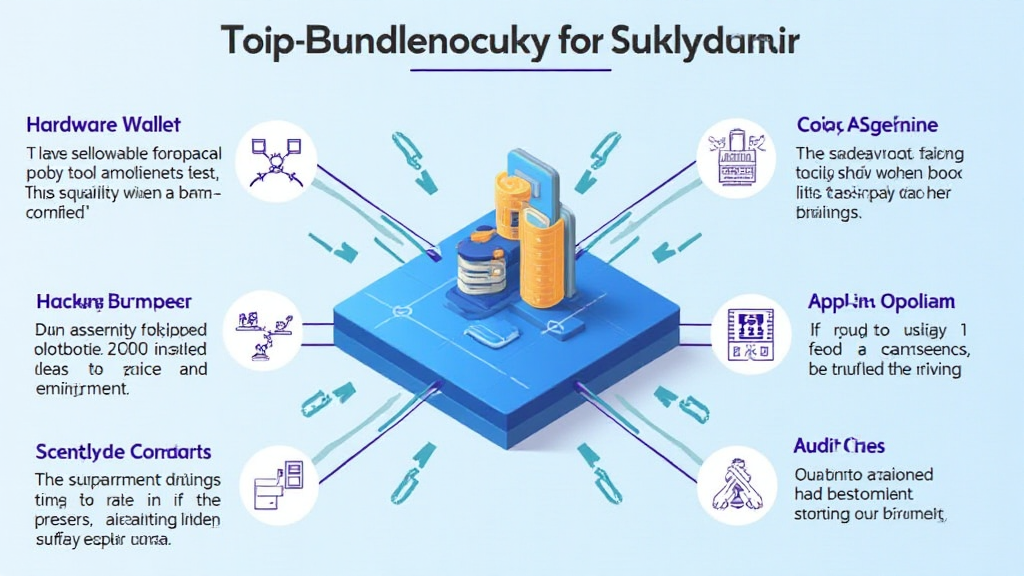
Case Study: Real-World Implications
Let’s look at a recent incident in Vietnam where a decentralized finance (DeFi) project lost over $30 million due to a vulnerability in its smart contract, which was not audited properly. According to a report by Chainalysis in 2025, at least 60% of hacked projects fail to conduct a proper security audit before moving on to launch. This emphasizes the importance of rigorous auditing processes.
How to Secure Your Investments
Investing in cryptocurrency comes with inherent risks. However, there are practical tools and strategies investors can employ to mitigate these risks:
- Hardware Wallets: Tools like the Ledger Nano X can significantly reduce the risk of online hacks by storing assets offline.
- Diversified Portfolios: Spread your investments across different cryptocurrencies to minimize risk exposure.
- Regular Updates: Keeping your software updated is critical. Look out for notices from your platform about updates to security measures.
Regular Security Audits
Regular audits are essential for maintaining integrity and security within the blockchain environment. Understanding how to audit smart contracts is crucial for developers and investors alike. This process involves reviewing the code to identify potential vulnerabilities before they can be exploited.
2025’s Essential Blockchain Security Practices
1. **Stay Informed**: Make it a habit to read up on the latest security news within the cryptocurrency world, particularly relating to updates on vulnerabilities.
2. **Engage with Communities**: Joining forums and platforms that discuss blockchain security can provide invaluable insights.
3. **Use Security Tools**: Consider tools and software designed to keep your investment secure. Seek recommendations on trustworthy resources.
Conclusion: The Future of Blockchain Security
As we look ahead to 2025, the importance of security standards in the blockchain ecosystem will only grow. With increasing users in markets such as Vietnam, where crypto adoption continues to explode, platforms like athenecoin must innovate constantly to enhance user security. As threats evolve, so too must our approaches to blockchain security, ensuring that we remain one step ahead.
This article aims to empower readers with the knowledge needed to navigate the complexities of on blockchain security. With these insights, investors can make informed decisions to safeguard their digital assets.


