



Introduction: The Need for Innovative Solutions
In the rapidly evolving logistics sector, where global trade is expected to reach $1.2 trillion by 2025, blockchain technology emerges as a beacon of innovation. Specifically in Vietnam, which has seen a industrial growth rate of 7% annually, the integration of
Understanding Blockchain Technology in Logistics
Blockchain technology is a decentralized ledger that secures transactions through cryptography. In logistics, it allows for real-time tracking of goods across the supply chain. This means that every transaction is visible to all stakeholders and immutable, ensuring enhanced traceability, which is essential in minimizing fraud.
Key Benefits of Blockchain in Logistics
ong>Transparency: ong> Every participant in the supply chain has access to the same data, minimizing disputes.ong>Efficiency: ong> Automating workflows through smart contracts reduces the time taken for operations.ong>Security: ong> Using blockchain can significantly enhance the security of transactions, protecting sensitive data.
How Blockchain Enhances Supply Chain Management in Vietnam
In Vietnam, where logistics costs can account for approximately 21% of the GDP, implementing
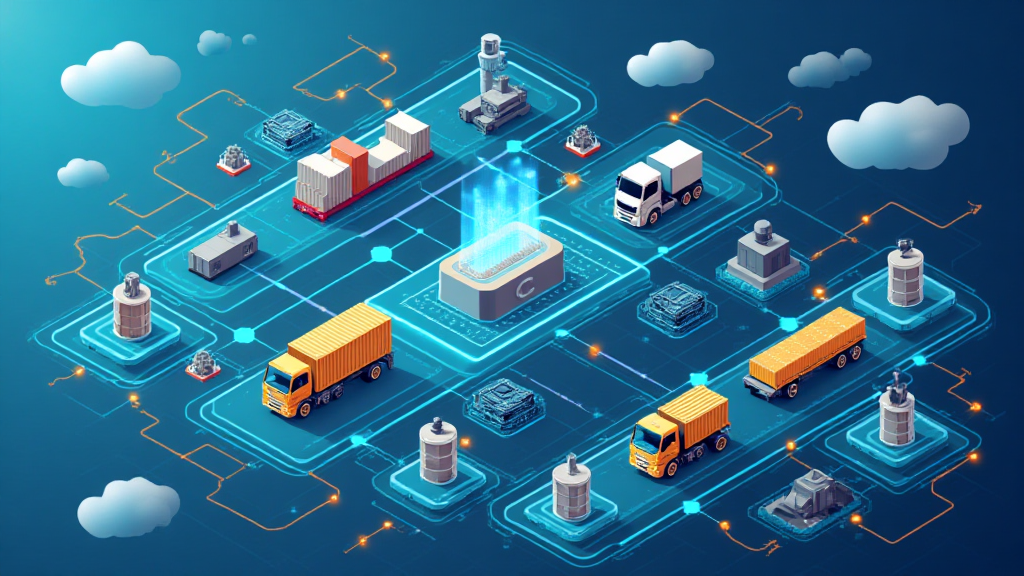
ong>Real-Time Tracking: ong> Using blockchain can elevate the ability to monitor goods from origin to destination seamlessly.ong>Inventory Management: ong> Smart contracts can automatically update inventory levels, reducing misalignments.
Challenges of Implementing Blockchain in Vietnam’s Logistics
Despite the promising benefits, several challenges hinder the widespread adoption of blockchain technology:
ong>Lack of Awareness: ong> Many local companies are still unaware of how blockchain can enhance their operations.ong>Infrastructure Issues: ong> Insufficient technology infrastructure hinders the integration of blockchain.ong>Regulatory Framework: ong> The absence of clear regulations surrounding blockchain technology may deter investment.
Case Studies: Successful Blockchain Implementations
Several companies globally have successfully utilized blockchain to enhance their logistics processes. For example, IBM’s Food Trust network showcases how major retailers are utilizing blockchain to track food supply chains, ensuring safety and transparency.
Within Vietnam, companies like VinGroup are adopting blockchain for their supply chain processes, aiming to enhance security and efficiency.
The Future of Blockchain in Vietnam’s Logistics
Looking forward, the landscape of logistics in Vietnam will likely transform as blockchain technology becomes more integrated. Projections indicate that the adoption rate of blockchain technology in logistics will rise significantly, expected to reach 50% by 2025. Companies willing to adopt this technology early will gain a substantial competitive edge.
Preparing for Adoption
- Invest in training for employees to understand blockchain capabilities.
- Engage with industry stakeholders to share knowledge and best practices.
- Collaborate with technology providers to develop blockchain solutions.
Conclusion
In conclusion, the implementation of
Expert Contributor: Nguyen Minh, a blockchain consultant with over 10 published papers in the field and a leading figure in several high-profile audits, emphasizes the critical role of blockchain in transforming logistics.


